Beyond the Velvet Rope: The Timeless Grandeur of Budapest's Luxury Hotels
Budapest is a city that wears its history on its sleeve-or rather, on its facades. Walking through the "Paris of the East," you aren't just looking at buildings; you're looking at the remnants of an empire. For the modern traveler, the true magic of the city lies in its ability to take these 19th-century shells-palaces, insurance houses, and royal residences-and turn them into some of the most breathtaking hotels on the planet.
If you're looking for a stay that feels less like a hotel and more like a chapter in a history book, here is the definitive guide to Budapest's high-end sanctuary.
1. The Gresham Palace: An Art Nouveau Love Letter
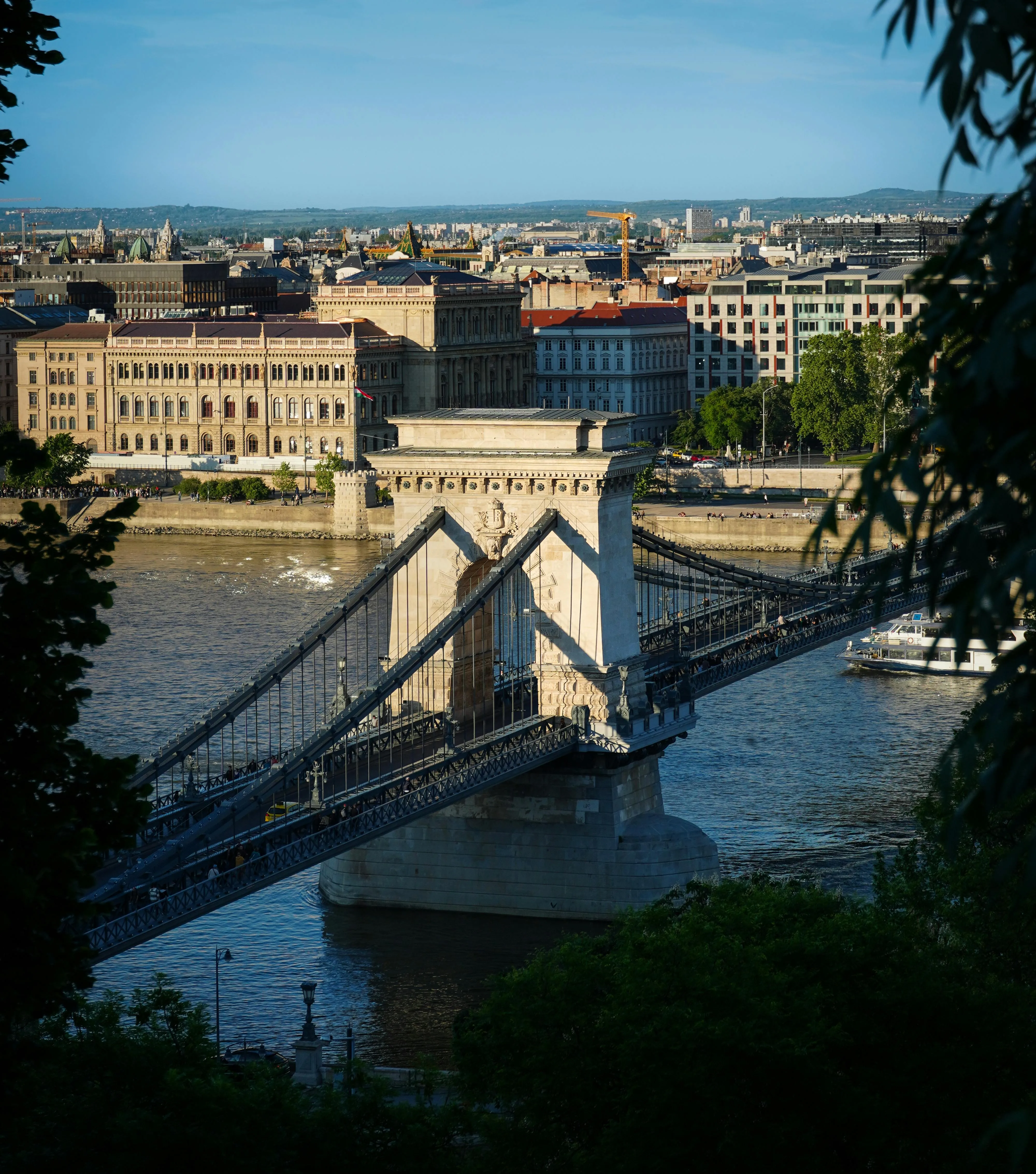
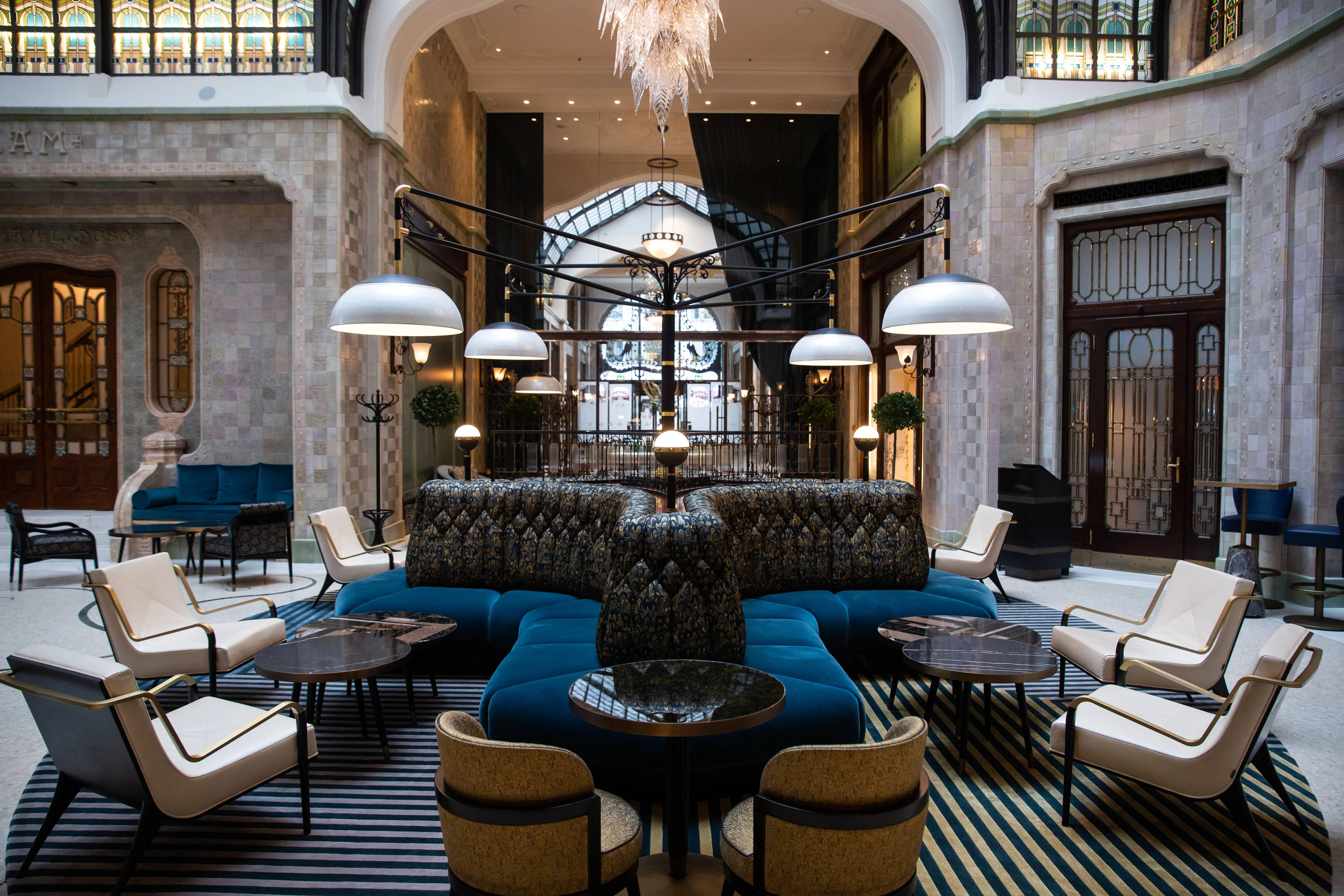
Standing at the Pest end of the Chain Bridge, the Four Seasons Gresham Palace is arguably the city's most iconic landmark. Designed by Zsigmond Quittner and the Vágó brothers and completed in 1906 as the Budapest headquarters of the London-based Gresham Life Assurance Society, it was ahead of its time from day one- featuring central heating and vacuum cleaning when those were still novelties.
The Vibe: Pure, old-world elegance. The wrought-iron peacock gates were hand-forged by Gyula Jungfer. The stained-glass windows are by Miksa Róth. The Zsolnay tiles on the facade were made by one of Hungary's most celebrated porcelain factories. Every surface has a named craftsman behind it- this is a building assembled by artists.
The Experience: Dinner at KOLLÁZS brasserie is the move- seared scallops, Scottish salmon, and steak frites in a room that feels like it belongs in a different century. The Múzsa cocktail bar, opened in 2020, is a quieter choice for a nightcap, inspired by the palace's pre-war heritage as a gathering place for artists and cultural figures.
The Spa: Treatments here use Omorovicza- the Hungarian skincare brand that draws on the country's famous thermal mud traditions. Hungarian moor mud, lavender, and grape-seed oil; it's as local as it gets in a Five-Star setting.
Interesting Fact: When German troops destroyed the Chain Bridge in 1944 during their retreat, the blast shattered the palace's windows, gates, and Zsolnay tiles. The building spent decades in disrepair before a painstaking 2004 restoration- every ornament rebuilt from the original designs- returned it to its current, jaw-dropping form.
2. Matild Palace: The Archduchess's Vision
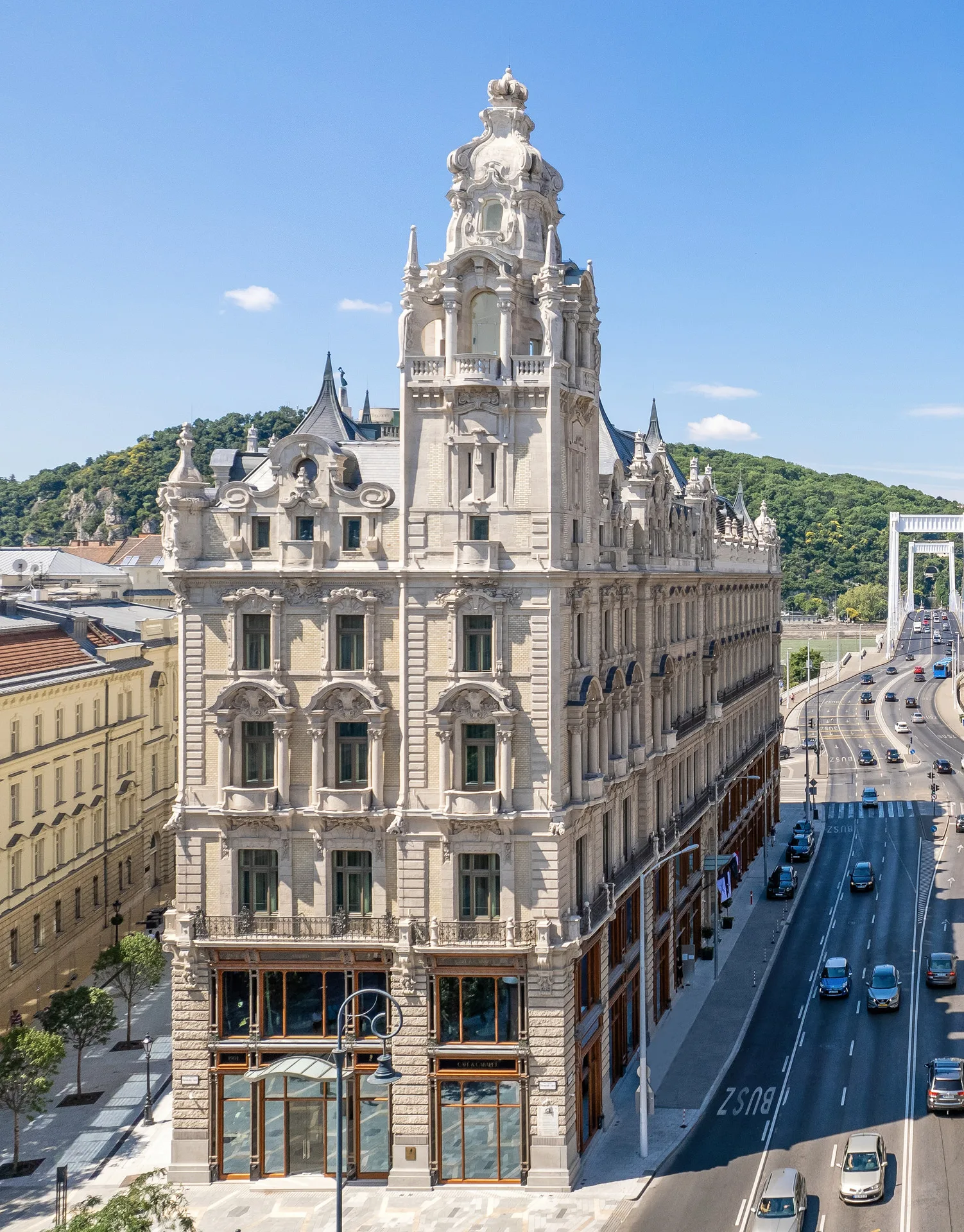
One half of the "Twin Palaces" that frame the gateway to Elizabeth Bridge on Váci utca, Matild Palace was built under the patronage of Archduchess Maria Klotild- the two buildings were designed to stand as mirror images, marking the entrance to Pest from the bridge. Today, the palace carries 120 years of history into a Luxury Collection Hotel of 111 rooms and 19 suites, including top-floor loft-style suites that feel unlike anywhere else in the city.
The Vibe: Step into the lobby and the first thing you see is a nine-metre-high historic photo montage of the palace's past- an immediate signal that this hotel takes its heritage seriously. The renovation combined the atmosphere of Pest at the turn of the century with the original elegance of the listed building, and it shows.
The Dining: Matild Palace is more than a hotel- it's a destination in itself. Spago by Wolfgang Puck sets the standard on the restaurant floor, fusing the culinary traditions of Beverly Hills with Budapest. Matild Café & Cabaret transports you to the world of old Pest coffeehouses and nightspots. And for a nightcap, The Duchess sky bar- with its golden peacocks, giraffes, and views of the Pest twilight- makes the Danube look like a ribbon of liquid sapphire.
Local Secret: The hotel is connected to the city's literary past; the famous Belvárosi Kávéház (City Coffee House) within the palace was a favorite haunt of Hungarian writers for over a century.
3. The Corinthia: The Inspiration for Hollywood
Many believe the Corinthia Budapest was the real-life inspiration for Wes Anderson's The Grand Budapest Hotel. While that's a subject of debate, its grandeur is undeniable. The hotel opened in 1896 as the Royal Hotel, timed to coincide with Hungary's Millennial celebrations- the same year the Parliament was inaugurated and Andrássy Avenue was completed.
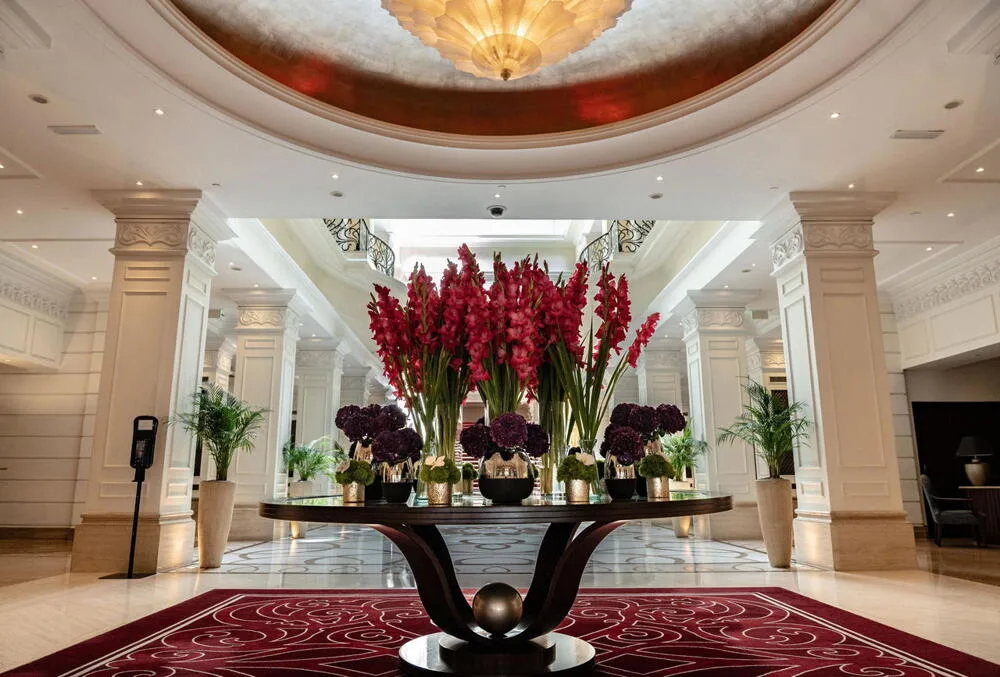
The Vibe: Massive, palatial, and classic. The extensively restored grand ballroom is the stuff of fairy tales, and the lobby displays a procession of photographs of the stage and screen celebrities who've passed through over the decades.
The Spa: The Royal Spa pool is a faithful replica of the original 1896 pool, rebuilt after a 1956 fire gutted much of the building. Multi-story wood-carved balconies and stained glass surround it- the kind of space that makes you forget you're in a basement.
The Dining: Bock Bistro is one of the city's most respected wine-focused restaurants. Caviar & Bull handles the more theatrical end of the spectrum. And for the sweet tooth- there's a signature raspberry and chocolate confectionery on the menu, created in honour of a certain legendary guest: Josephine Baker.
Interesting Fact: In 1896, the Lumière brothers held the first-ever motion picture screening in Hungary right here in the hotel's Grand Ballroom. The building has been a stage for history ever since.
4. W Budapest: The Rebel in the Palace
Housed in the Drechsler Palace, the former home of the Hungarian State Ballet Institute, the W Budapest is the city's newest luxury titan. It sits directly across from the State Opera House on the prestigious Andrássy Avenue.
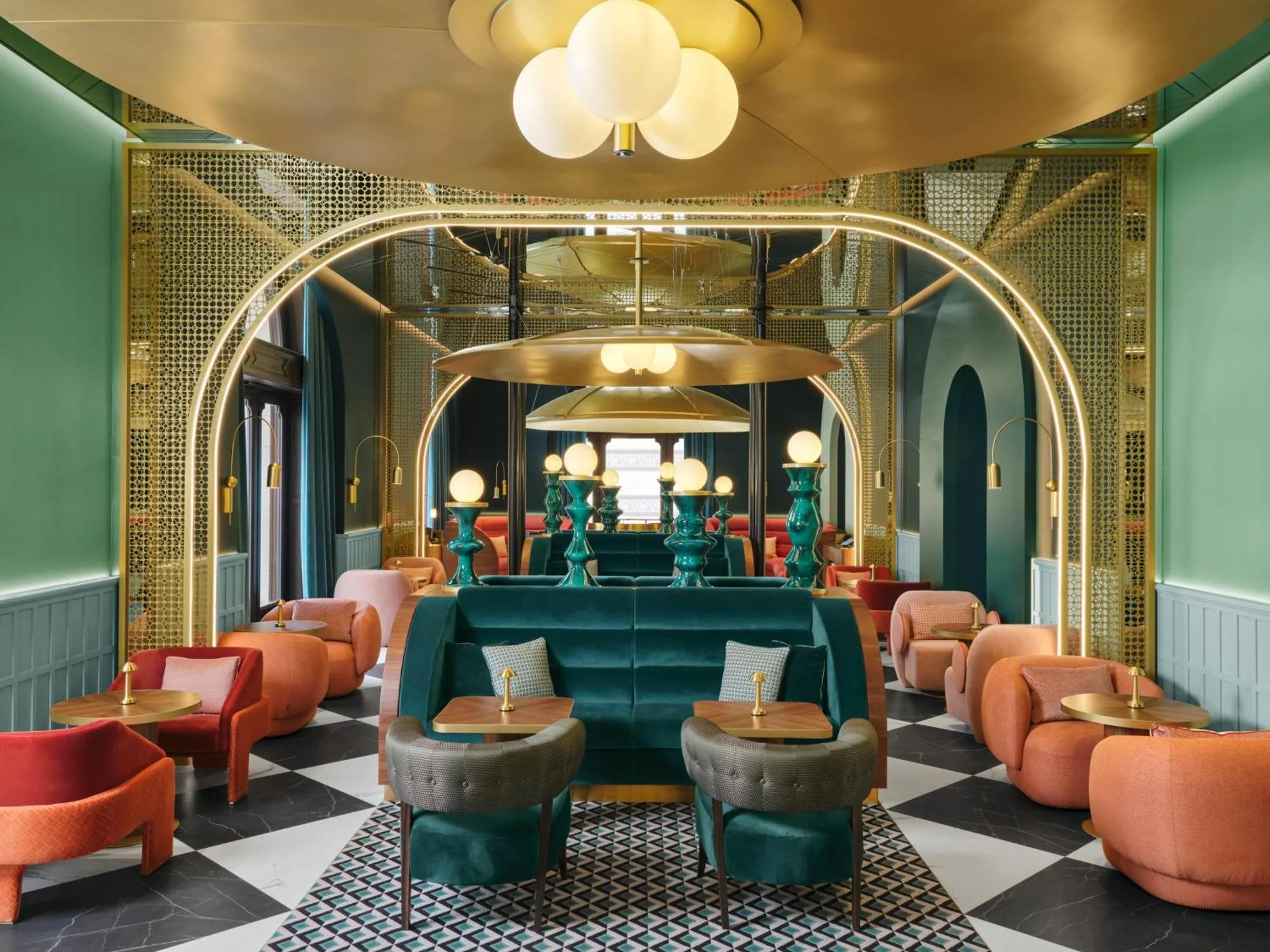
The Vibe: Edgy, theatrical, and high-design. It plays with the "duality" of Budapest-the contrast between the city's gritty history and its glamorous future.
The Underground: The spa and social spaces are tucked away in the basement, designed to feel like a sophisticated underground labyrinth, a nod to the city's famous cave systems.
The "Golden Age" Trivia: Why Budapest Hotels Are Different
In the late 19th century, Budapest was one of the fastest-growing cities in the world. This era, known as the Millennium, saw the construction of the Parliament, the Opera House, and these grand palaces. Wealthy aristocrats didn't just want comfort; they wanted to outdo Vienna. That's why you'll find more gold leaf, marble, and hand-painted frescoes in a Budapest hotel than almost anywhere else in Europe.
Navigating the City of Lights
While Budapest is a walkable city, the transitions between these luxury hubs are best experienced with the same level of comfort you find inside their lobbies. Whether you are moving from a spa day at the Corinthia to a dinner at Matild Palace, or arriving from the airport after a long flight, the way you travel through the city sets the tone for your stay.
The charm of Budapest is best enjoyed when you don't have to worry about the logistics-allowing you to keep your eyes on the stunning architecture passing by your window.
From our drivers
We pick up and drop off directly at the hotel entrance- no queuing, no app fumbling. Whether it's an airport transfer or moving between properties, we'll make sure the journey matches the destination.
Planning a trip to Hungary?
We drive these routes regularly. Message us and we'll put together a plan that fits your dates and interests.